Why your desire has an address (& what to do about it)
Michael Chestnut answers the question almost no church asks: what does Scripture actually say about self‑gratification—and how it shapes a man’s heart and marriage.
“When I gave my life to Christ, I found out my body was a temple of the Lord. So I got intentional. Not perfect. Intentional.” — Michael Chestnut
Michael opens with a story that stops the conversation cold: a coworker in his twenties told him, plainly, he had never masturbated. That line isn’t offered as moral triumph so much as proof. The man had taken Scripture—1 Corinthians 6’s language about the body as a temple—and reshaped his habits around it. Michael uses that story to pull the question out of the shadows: what does the Bible actually say about self‑gratification?
Lust is the real issue, not a single verse
There’s no one verse that says the phrase we use. People point to Onan (Genesis 38) and miss the point: that passage is about refusing family duty, not private sexual acts. Michael redirects to what Scripture does focus on—where your heart goes.
He quotes Jesus in Matthew 5:27–28 to make the hinge clear: sin happens in the mind, at the moment you choose to entertain lust. Paul’s teaching in 1 Thessalonians 4 and 1 Corinthians 6 adds the other half—sanctification, fleeing sexual immorality, and the claim that your body is not your own because you were bought with a price. Job’s decision—“I have made a covenant with my eyes” (Job 31:1)—is offered as a discipline: remove yourself from the test before it arrives.
“Your desire has an address, and it's her.” — Michael Chestnut
That sentence is the spine of the episode: desire is meant to be pointed, not privatized. If your fantasies, images, or private habits are aimed away from your spouse, Scripture treats that as a problem of the heart, not merely of technique.
What chronic use rewires (and why it matters in marriage)
Michael shares what he’s seen across years of conversations: men whose daily consumption of pornography and private gratification eroded their ability to feel desire for their wives. He names the pattern plainly—constant novelty and escalation blunt real intimacy, and research (he references the pattern behind what’s called porn‑induced erectile dysfunction) tracks with what men report: lower sexual satisfaction, less attraction to a spouse, and higher likelihood of straying.
But he doesn’t limit the harm to physiology. The moral harm is training yourself to expect submission from a screen rather than learning to serve a real person. The practical result in marriage is distance: a wife senses the change even if she can’t prove it. Hidden habits seldom stay hidden; they become the shape of the relationship.
Three concrete moves Michael leaves you with
Your desire has an address: aim it at your wife. Proverbs 5:18–19 is the biblical picture—let her be the place your fountain is blessed.
Your body isn’t just yours: in marriage Paul says conjugal duties build mutual authority (1 Corinthians 7:3–5). Treating self‑pleasure as private misses that covenant reality.
One flesh can’t happen alone: Genesis 2:24 frames intimacy as a joining, not a solo substitute. If you choose private gratification, you’re practicing being alone in the very place God designed for union.
Michael is candid about his own past shame cycle—promise, failure, hide—and how the real change for him came through honest community with other men and accountability, not merely willpower.
He finishes the episode where he began: that coworker who made a covenant with his body went on to plant a thriving church. Michael draws the implication plainly—hand this primal battle to God, and it becomes evidence that you can surrender far more than you thought.
Stop asking how far is too far. Start asking what this is doing to your heart and who your desire belongs to. If you want to hear the full talk, Michael closes with an offer: you don’t have to figure this out alone — let him walk beside you.
If you want the full episode, listen to Michael Chestnut’s conversation for the passages, the personal story, and the pastoral challenge in his own words.
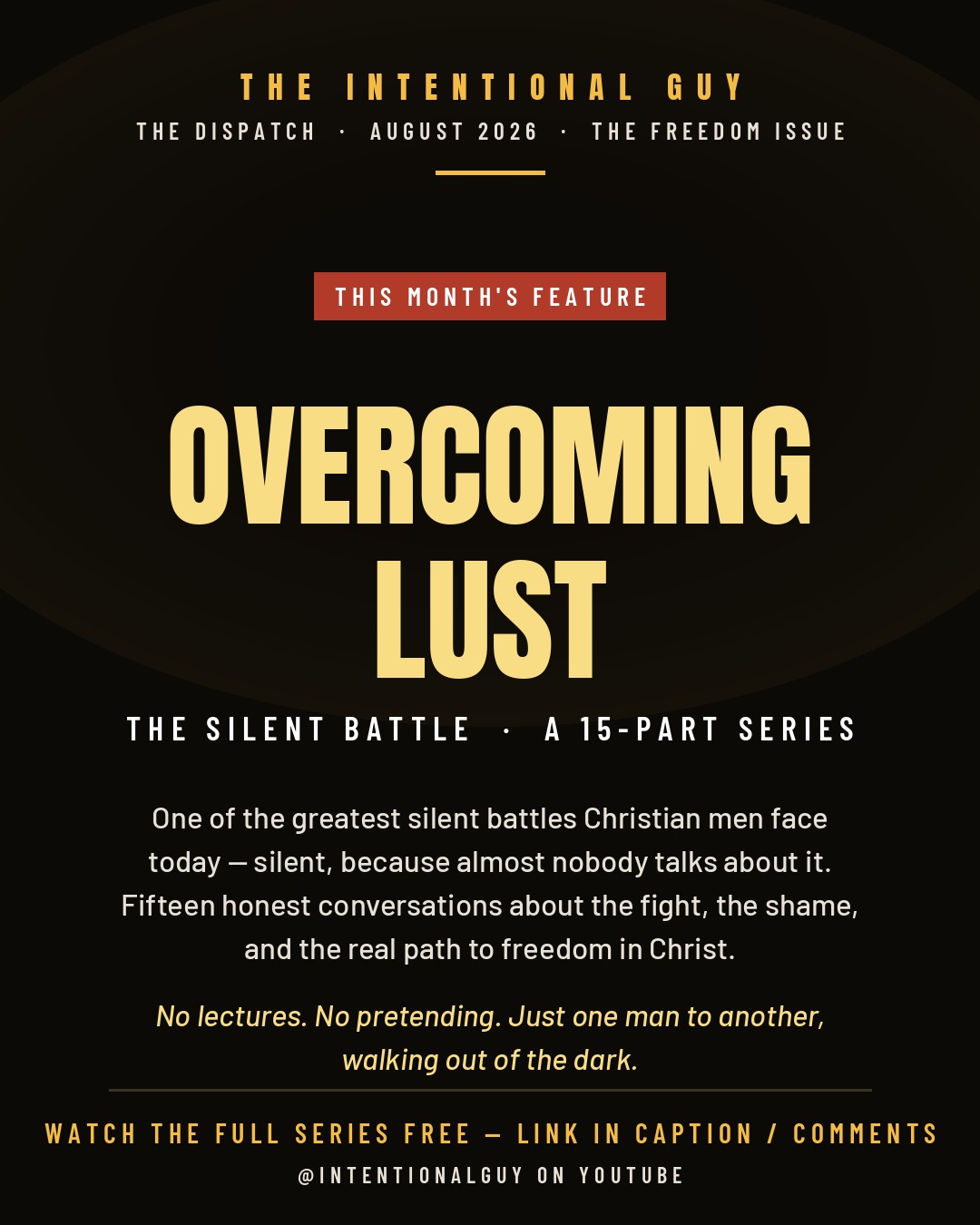
Click here to go to Overcoming Lust